The infrastructure for wastewater and water has grown beyond gravity-based systems. Pumping solutions that are engineered are crucial for keeping water flowing smoothly and safely as communities grow and land becomes more difficult to develop. A properly designed pump station supports everything from wastewater collection stormwater control, to potable water distribution and industrial activities.
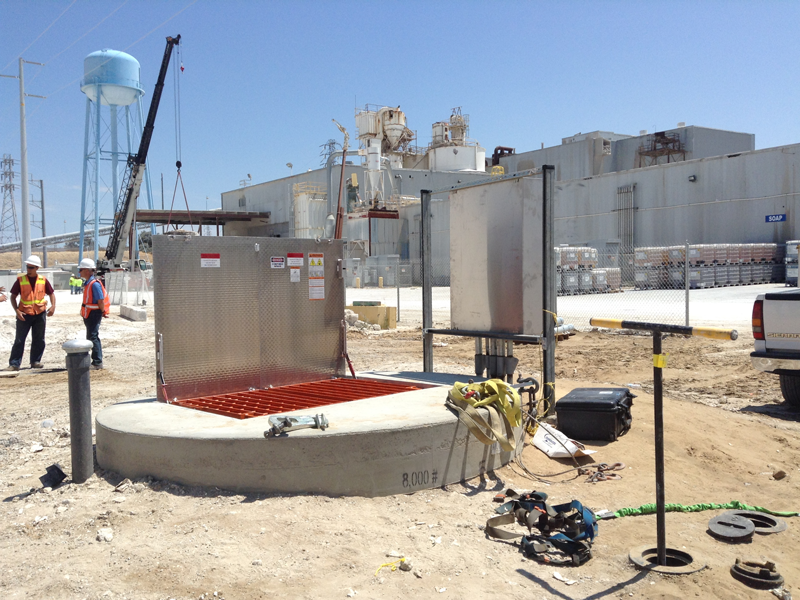
Each pumping job has its own unique set of conditions, including elevation changes flows water quality, the need for ownership. Making these considerations clear in the planning phase can prevent long-term operational issues, and ensures that the system operates as intended for decades.
Why Package Pumping Systems Need to Be Specific to the Project
A package pumping solution is more than just a set of parts. It’s a fully integrated system. The way a system is constructed is based on a variety of variables, including the location’s circumstances, environmental laws and operational objectives. Each of these facilities will require different designs for structural structures, techniques for control and configurations of pumps.
Engineers can make better choices by developing preliminary plans based upon flows as well as the locations of duty points and the lifetime cost. This will reduce the amount of modifications. It also prevents unexpected costs in construction and makes sure that all parties involved are on same page right from the start.
Wastewater Lift Stations in Modern Development
Sewer infrastructure must adapt to changing terrain and service area as urban areas increase. These systems are essential in areas where gravity flow alone cannot satisfy the demand.
Wastewater lift stations must be able to handle varying flows in addition to processing of solids, corrosion resistance and compliance with regulatory requirements. Municipal systems prioritize longevity and easy maintenance, while industrial or private systems can place more focus on the ability to adapt and expand. Custom-designed engineering permits pumps, controls and structures to be chosen in accordance with the specific operating conditions.
Stormwater Lift Stations & Environmental Protection
As developments increase and weather patterns are becoming more unpredictable managing stormwater efficiently becomes more crucial. A well-designed stormwater lift station helps control runoff, manage detention ponds, and reduce flooding risks. These systems also help with the environment by redirecting stormwater for treatment prior to release into the natural waters.
Stormwater pumps must work reliably across a wide range of conditions for flow, from moderate rain to intense storms. Engineers consider peak flows, seasonal fluctuations, as well as the long-term sustainability of these stations. Flexible options for materials and pumping technologies allow systems to adapt as demand changes.
Industrial and clean Water Pumping Applications
Pump stations aren’t just for municipal use. Industrial facilities rely on pumping systems for handling high-temperature fluids, high-pressure processes, chemicals, and oily water. harmful waste streams. Specialized knowledge and careful materials selection are essential to create designs for these conditions.
Clean water systems, which include booster stations, are essential to support residential, commercial and municipal water distribution. To ensure user satisfaction and safety, it’s crucial to keep a steady pressure and flow. Pump stations used for irrigation groundwater extraction, reclaimed water or reclaimed and water features with large dimensions need to ensure durability and efficiency.
Integrated Design with the Single Supplier
Coordinating multiple vendors for structural, mechanical, electrical, and control components can introduce complexity and risk. Single source design and delivery streamlines project implementation and improves compatibility. The design team is able to develop practical solutions faster by taking advantage of the experience gained in many pumping situations.
Romtec Utilities applies this integrated strategy across stormwater, wastewater, industrial, and clean water applications. In managing every aspect of the pumping process from choosing the equipment and engineering to structural housing and control projects, you will get streamlined communication and a consistent quality.
In today’s world of infrastructure successful pumping relies on systems that are able to adapt to changing conditions, not just assumptions. Early evaluation, integrated execution and thoughtful design make sure that each pump station will meet its long-term owners’ and operators’ requirements.