A strong side-by can tow equipment, haul supplies or traverse difficult terrain. A single stretch of waterlogged or deep snow could stop all other equipment.
Sometimes it’s not the horsepower that creates problems. Sometimes, the tires are unable to evenly distribute the weight of the machine or have enough traction to advance.
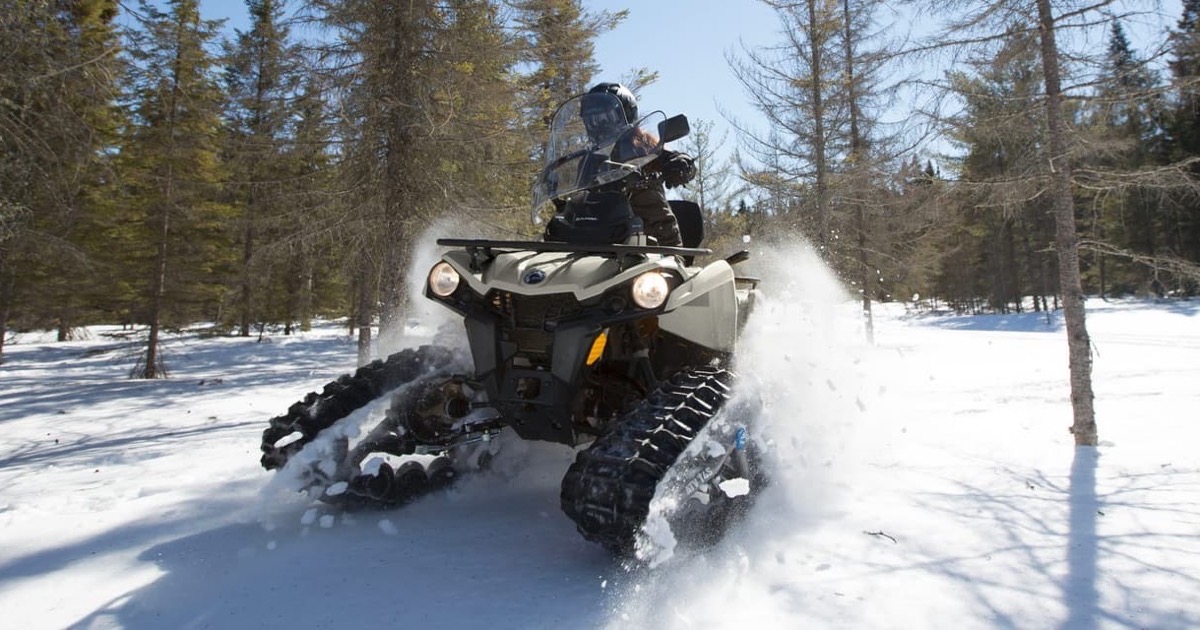
UTV tracks are an ideal choice. The tracks alter how the vehicle moves on the ground. This lets owners access places that would otherwise be difficult to access, particularly during the winter or mud season.
Traction and Flotation Aren’t the Same
Aggressive tires can improve grip, but they place the vehicle’s weight in four small contact areas.
UTV track systems distribute that weight across a greater area. This helps reduce ground pressure and allows the vehicle to travel over thick snow and soft soil without sinking.
Practical work requires a difference. The owner of a property might need to be close to a fence that is distant after snow. A farmer might have to traverse a wet field without leaving deep ruts. Anyone who runs rural trails may require reliable access during the spring thaw. Tracks make the job more manageable and reduce the chance of damaging sensitive ground.
Your machine will help you determine the right system for you
Not all UTV tracks are designed for the same car or for the same load. ATVtracks.net offers four systems by Camso as well as Kimpex. The Camso 4S1 is designed to be full-size side-by-sides in the 400-1000cc size range.
The Kimpex HD4 supports machines within its published capacity of up to 4,000 pounds, while the Kimpex WSS4 follows its own manufacturer-specific compatibility list.
These categories are merely an idea of where to start, does not guarantee the fit. Before purchasing side-by-side tracks, confirm your vehicle’s make, model and year. Similar machines may require different mounting hardware.
Accessibility is a trade-off
Tracks can improve accessibility, but they will not make UTVs less expensive or more efficient to use. Some manufacturers’ planning figures indicate that certain systems could slow down the speed of travel by 30% or more in comparison to tires. A higher amount of resistance and weight to rotate increase the amount of fuel consumed and increase the demands on the drivetrain.
This can be controlled through the use of low range, by limiting sustained speeds, and following vehicle manufacturer recommendations.
Rubber tracks will wear out more quickly in the event that they are constantly used on gravel or pavement that is abrasive. While the present system was designed to operate in all seasons, their performance is best when they are placed on the right terrain.
Budget over the Track Units
Quality side by side track systems represent a substantial investment. The track systems provided by ATVtracks.net include prices that start roughly from $6,000 to $13,000 based on their design and application.
However, the track units aren’t necessarily the whole installation. There may be specific vehicle mounting components and anti-rotational hardware. Additionally spacers or hubs might be required. The complete list of required parts must be verified prior to the order is placed.
Purchase according to the Terms You Are Subject to
A track system makes most sense when improved access solves the issue that is frequently encountered.
If your side-by-side is frequently in contact with deep snow swamps, muddy pastures or marshy terrain, or challenging weather conditions, trails could expand the work it can do. For occasional recreational use on firm trails the extra cost and maintenance could be more difficult to justify.
ATVtracks.net is a company that has been helping car owners for over 20 years to choose, install and maintain track systems. Its team can help confirm compatibility and identify the components needed for a specific vehicle.
Take note of how often you’re stuck with your machine, and the environment that causes it and whether improved flotation could have a major impact.
The proper tracks can’t remove every obstacle in the terrain. But they can change a side-byside that has been left in a stalemate during harsh conditions into an equipment you are able to continue using whenever accessibility is essential.