When it comes time to maintain an septic system, being aware of the associated costs is essential. Knowing the potential costs will assist you in planning your budget and avoid unpleasant surprises. There are various factors that contribute to the cost to replace septic tank.
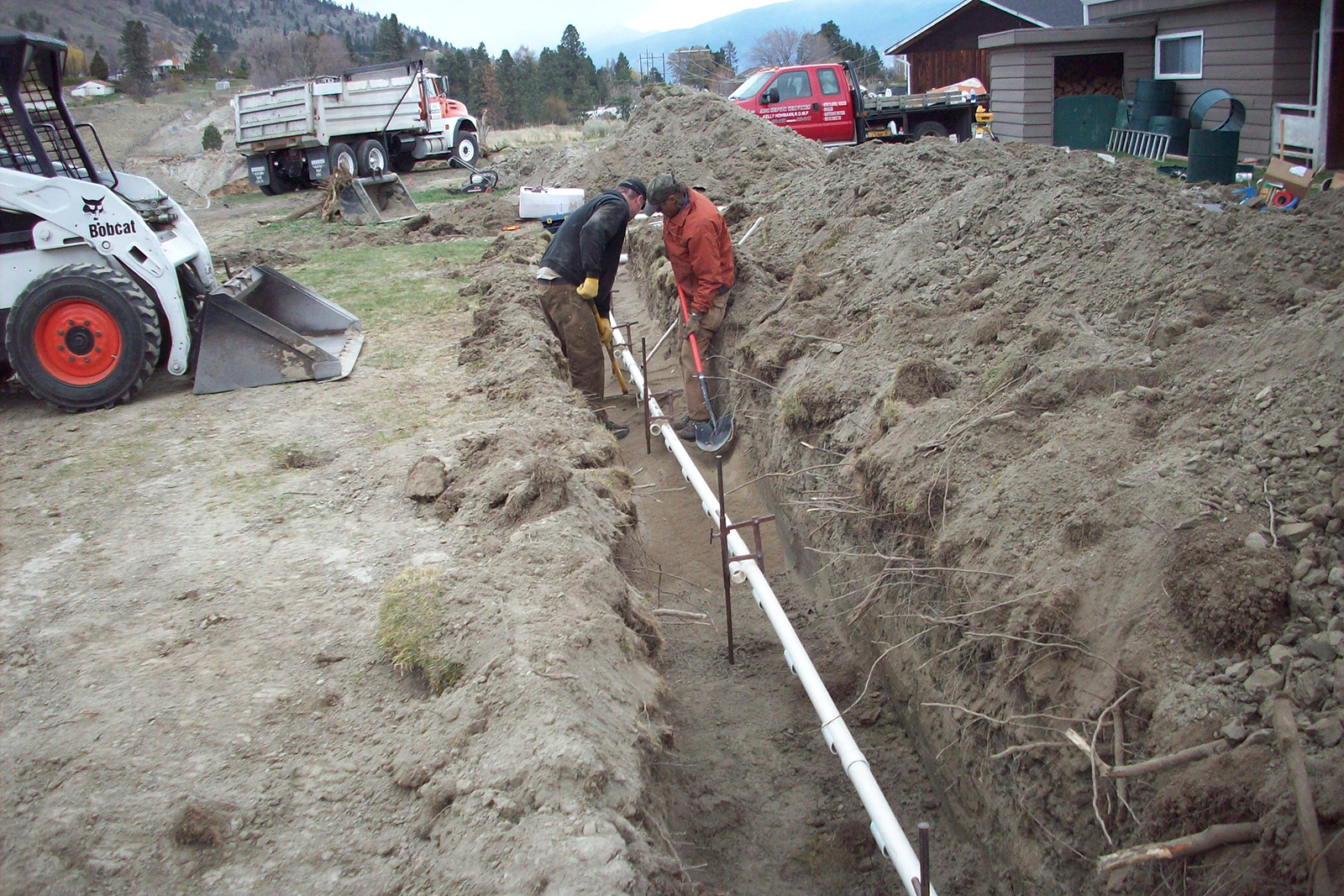
Costs for installing a leach field and a septic system can differ greatly based on various factors. The size of the septic system is among the primary factors to be considered. The cost of a septic system will be higher for larger households or homes that require more water. The conditions of the soil and topography can also affect the complexity of installation and cost. The soil’s conditions can be difficult and require extra excavations or special treatment systems. This will increase the price.
The cost of a septic tank can also be affected by the selection of septic tanks and fields. Different types of materials and designs can have different price ranges. Concrete tanks are more affordable than other options like fiberglass or plastic tanks. Advanced treatment methods and environmentally friendly alternatives can be more expensive, yet they offer benefits such as improved wastewater treatment or more water conservation.
When the price to set up the septic tank and leach field will determine the initial expenditure, it’s vital to consider the longer-term maintenance and eventual cost of replacement. Septic tanks can last of between 25 and 30 years, contingent on factors such as usage maintenance, the materials employed. In time a septic tank may need to be repaired or replaced. When calculating the cost to replace septic tank, it’s important to think about not just the tank but also the labor involved and any needed upgrades in order to keep up with the latest requirements.
The price of a septic tank replacement may vary based on its size, complexity, and type. In certain instances to demolish the tank that was previously used and dispose of it correctly and prepare the site for a new installation. If there have been changes to regulations from the time of the initial installation of the septic tank, it could cost more to get the system to code.
Regular maintenance of the septic system and inspections are essential for a smooth replacement and to prevent any unexpected expenses. Routine inspections are a great way to spot possible issues earlier and allow for prompt repairs that will extend time spans of the tank. The tank should be pumped frequently to prevent the buildup of solids and damage.
It’s best to get estimates from reputable contractors prior to deciding on the replacement or installation of the septic tank. Check these estimates to gain a better understanding of what the typical costs are in your area. This will enable you to make a better decision. In addition, you should inquire about any guarantees or warranties offered by the contractor regarding their work and the materials used.
It is important for homeowners and property owners to understand the cost of a septic tank and the total septic system. You can plan your budget for the replacement or installation of a leachfield and septic system by considering factors like the size, the materials used, the soil condition, as well as possible long-term expenses. To ensure that your septic lasts for as long as it can and reduce future costs there is a need for regular maintenance, inspections, and attention. Keep in mind that investing into an efficient septic system does ensures an efficient wastewater management, but it is also a major factor in the overall efficiency and value of your home.