In the constantly changing work environment of today, our approach to managing and maintaining devices has been altered. As we move towards hybrid and remote working arrangements, the old method of dispersing laptops in the office has been replaced by an operationally more complex workflow, referred to Device Lifecycle Management (DLM). Managed Desktop Service has emerged as a key component in this change, assisting businesses simplify their processes and improve the experience of their users, eventually leading to better productivity.
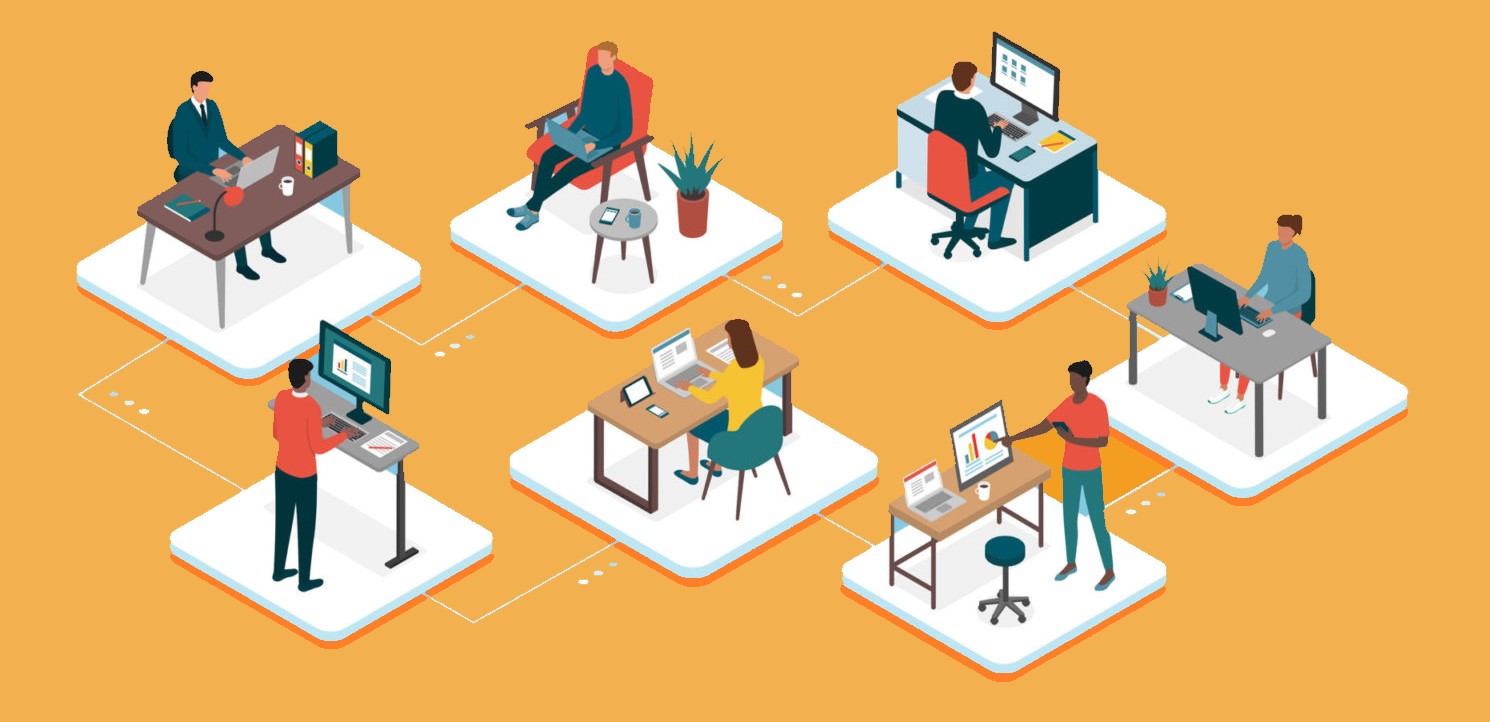
Device Lifecycle Management, often referred to as DLM, encompasses the entire journey of a device from acquisition to retirement. It includes procuring maintenance, provisioning and maintenance along with end-of-life disposal. DLM in the traditional office was a relatively simple procedure. The modern work environment that is remote adds layers and challenges.
In this modern environment IT managers have to deal with the challenge of managing assets and logistics at every stage of a device’s lifecycle. The change is driven by the desire to accommodate the various requirements of remote and employees who are hybrid. It has become imperative for businesses to use effective solutions. Managed Desktop Service is one of the most popular.
Managed Desktop Service Remote work enabler
Managed Desktop Service (or MDS) is a complete software solution that is designed to facilitate the management of devices used by users. This service is an important asset for IT managers as it offers a complete solution for maintenance and provisioning of devices. Managed Desktop Service can help organizations manage the challenges associated with remote work.
Enhanced Experience for End-Users: The principal purpose of Managed Desktop Service, is to enhance the user experience. It addresses the issues that remote workers experience such as delayed equipment onboarding and software updates. By ensuring that employees have the proper equipment and resources at their disposal in times of need these, MDS can significantly improve employee satisfaction and productivity overall.
Managed Desktop Service streamlines device provisioning for remote employees. MDS lets companies efficiently provide laptops and necessary equipment for newly hired employees. It ensures that employees have the equipment required from the very first day. This reduces the frustration that employees feel when they need to wait for their equipment or get behind in their work.
Managed Desktop Service allows IT teams to manage patches and software updates more effectively. You can schedule updates during non-disruptive periods, which ensures that employees won’t be inconvenienced while performing important tasks. This reduces the likelihood of interruptions to employees during meetings or video calls.
Fast Repairs or Replacements In remote working environments It is vital to repair or replace defective devices as fast as you can. Managed Desktop Service Providers often have well-equipped support systems that ensure that employees get prompt assistance when they encounter problems with their devices. They not only cut down on downtime, but also the risks of cyber-attacks arising from the use in an emergency of personal devices, or insecure devices.
Efficiency in cost: By outsourcing management of the devices used by end users to a Managed Desktop service provider, organizations can optimize their costs. This eliminates the need to hire staff in-house to manage devices. It also reduces interruptions due to outdated equipment, and improves the efficiency for device lifecycle management.
Effect of Employee Engagement on Turnover
Engagement and retention among employees is directly influenced by a smooth and efficient lifecycle management of devices. Employees who are dissatisfied by difficulties with their device could become disengaged or even look for other possibilities. The impact of inefficient DLM on engagement of employees could be quite significant.
Businesses who invest in Managed Desktop Service, and a Device Lifecycle Management Strategy can create a positive and engaging workplace. Employees with the right devices and experience fewer disruptions are more likely to remain with their employers. This reduces turnover as well as the recruitment and training costs associated with it.
Cybersecurity The Risks of Cybersecurity: How to Reduce
Cybersecurity is an important priority for organizations in the age of remote work. If employees don’t have the proper devices management, they may use their own devices or devices that aren’t secure, and could pose the risk of security of the data and network of the company.
Many Managed Desktop Service providers have robust cybersecurity protocols in place. They can make sure that all devices are updated with the most current patches and that data is protected and secured. This proactive approach to cybersecurity helps organizations reduce risks and keep the security of remote working environments.
Also, you can read our conclusion.
It is impossible to overstate the importance of Managed Desktop Service (MDS) and Device Lifecycle Management in the evolving workplace. These services are crucial to businesses that are looking to transition to the changing requirements of hybrid and remote work. By focusing on improving the end-user experience, streamlining device provisioning and enhancing security businesses can increase productivity, lower turnover and create a secure and a positive work environment the new age of work. This isn’t a reaction to the current times. It’s actually an important step in the direction of a more competitive future.