It could make engineering simpler if all the water flowed at the same speed.
It doesn’t.
In a residential area, the amount of wastewater that goes into the system can vary throughout the day. Commercial and industrial buildings may have operating highs. Stormwater conditions can change dramatically with the weather. Demand for clean-water also fluctuates in accordance with the purpose for which it is used.
As a result, designing an efficient pump station isn’t just the matter of identifying a flow number and selecting equipment that can meet it. Engineers should be aware of potential conditions under which the system may be used.
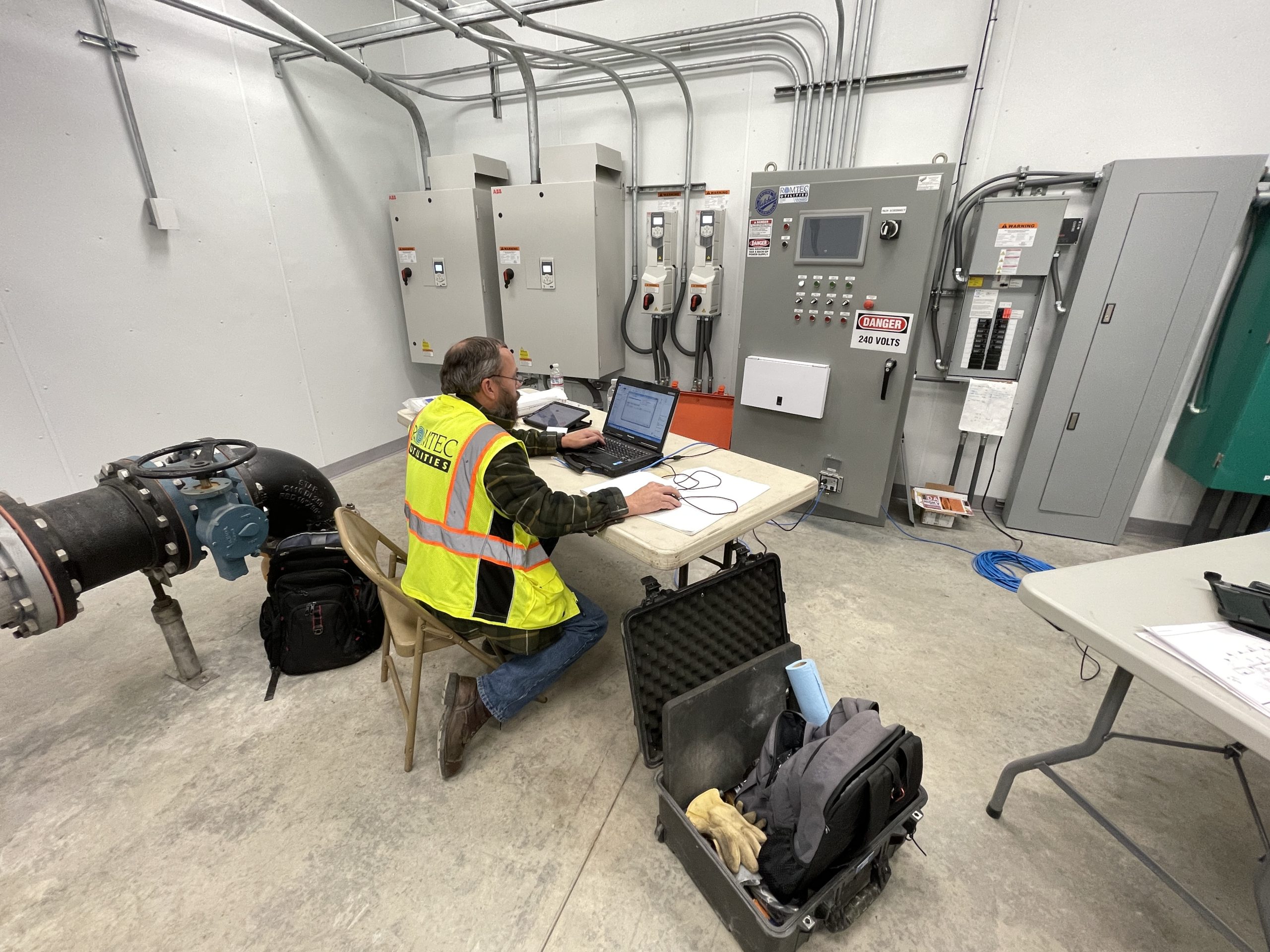
Image credit: romtecutilities.com
Do not just think of maximum capacity, but also the operating conditions
It is evident that maximum flow is important, but it represents only one aspect of station operations. Suppose a wastewater system is designed to accommodate a high maximum flow. In the majority of cases, the incoming flow is less. During those normal operating periods, the station should still function normally.
It also raises issues related to wet-well sizing and sizing of the pump, control the head’s condition, how to modify equipment when the demand for it changes.
The design of a properly engineered package pumps system will take into consideration the requirements of the particular site instead of focusing solely on the maximal capacity of the pump.
The daily routine of wastewater
A wastewater lift station serving homes, businesses, or municipal infrastructure may experience changing influent conditions throughout its operating cycle.
The station’s control plan determines how the system takes in wastewater and runs its pumps. Structural dimensions, pumping equipment, valves electric components, and controls all play roles in the process.
The design can also incorporate aspects specific to the particular site. Romtec Utilities is able to incorporate auxiliary equipment such as grinder vaults or odor-control equipment, depending on the specific application. The result is a station that is designed specifically for the specific project rather than being a standard design that is that can be used for all wastewater facilities.
Stormwater changes much more quickly
Stormwater has a completely different set of operating conditions. A stormwater system can be relatively quiet during dry weather conditions, but receive a huge flow of water following a severe weather incident. Stations may be part of bigger flood control techniques, such as detention or treatment, so the stormwater plan is an essential part of the design of the system.
Romtec Utilities evaluates factors including needed flow rates and head conditions, size of the system as well as site requirements and environmental factors when designing these systems.
Stations serving commercial developments may be very different from those intended for municipal stormwater applications.
The Head Conditions are important. along with Flow
The problem of transporting 1,000 gallons is not the only engineering problem. Engineers must also know where the water is going to go and what resistance to overcome by the pumping system.
The changes in elevation, the piping configuration, discharge conditions, and other system parameters contribute to the head conditions under which pumps function.
The relationship between flow and head is another reason why choosing one’s pump purely based on its rating is not enough. The pump technology and the station’s configuration have to be adjusted to the conditions of hydraulics for the whole application.
Design to meet the conditions that the Station Will Experiece
Romtec Utilities designs and develops custom pumping systems to meet the requirements of wastewater, stormwater management, clean water, industrial applications, boosters and many more. The procedure can involve budgeting and design in the beginning as well as complete plans, system supplies, documentation and start-up testing, and commissioning.
The premise behind the design is quite simple pumping systems can’t need to be able to operate for their entire life under one set of convenient conditions.
They must contend with shifting flows, changing demand and the specific requirements of each project. The best station needs to be designed to meet the demands of the future.