Imagine the apps you’ve got on your phone. The ones you go to daily without even thinking the habit loop triggers, and your thumb is always aware of which direction to take. Behind this simple routine, second-nature experience lies a massive amount of intentional human psychology and deeply technical engineering. The modern-day user has an absolute policy against digital friction; if an app’s display lags for even a fraction of one second or takes a long time to load information, or is unable to deliver the notification, it will be erased within minutes. The stakes are extremely high for founders with funding, and teams that are focused on growing. The success of a digital product requires more than a stunning site or a smooth surface. It requires a long-term partnership with an elite mobile app development company which is focused on human retention starting from the very first week of production.
How to navigate the constantly shifting rules of ecosystems
Mobile-specific development is a unique and challenging field when compared to traditional web engineering because you are essentially creating on sand that is moving. Every year in the autumn, Apple rolls out a updated operating system, introducing stricter privacy manifests and removing old codes, and altering app store review protocols. Google is able to set its own timeline. It continually alters the way notifications function and also the way background processes impact phone batteries. If your team doesn’t keep their eyes on these shifting guidelines, your product will quickly fail, resulting in unsatisfactory reviews and damaged features. This is the reason why businesses need to ensure that they hire mobile app developers who view their work as an ongoing cycle rather than a single code sprint. It is the job of release engineering engineers to ensure that automated shipping systems remain active and secure throughout every update to the operating system.
The Crossroads of Native Experiences
In developing a mobile-friendly roadmap, it is inevitable that product creators will reach an important crossroads. They must determine how code interacts with the physical hardware. The option of utilizing committed iOS app developers allows teams unrestricted access to Apple’s latest native frameworks. This lets them create smooth and fluid animations that have deep connections to features such as HealthKit and biometric security. The other side of the spectrum investing in specific Android application development services will ensure that the app you develop is designed to take on the awe-inspiring variety of screen sizes and processing capacities found across the global device market. Native architecture is the absolute high-end option when your business model is dependent on heavy device access for example, interacting with low-latency Bluetooth accessories monitoring precise real-time locations and facilitating seamless checkouts using native payment systems.
Cross-Platform Engineering speeds up production timeframes
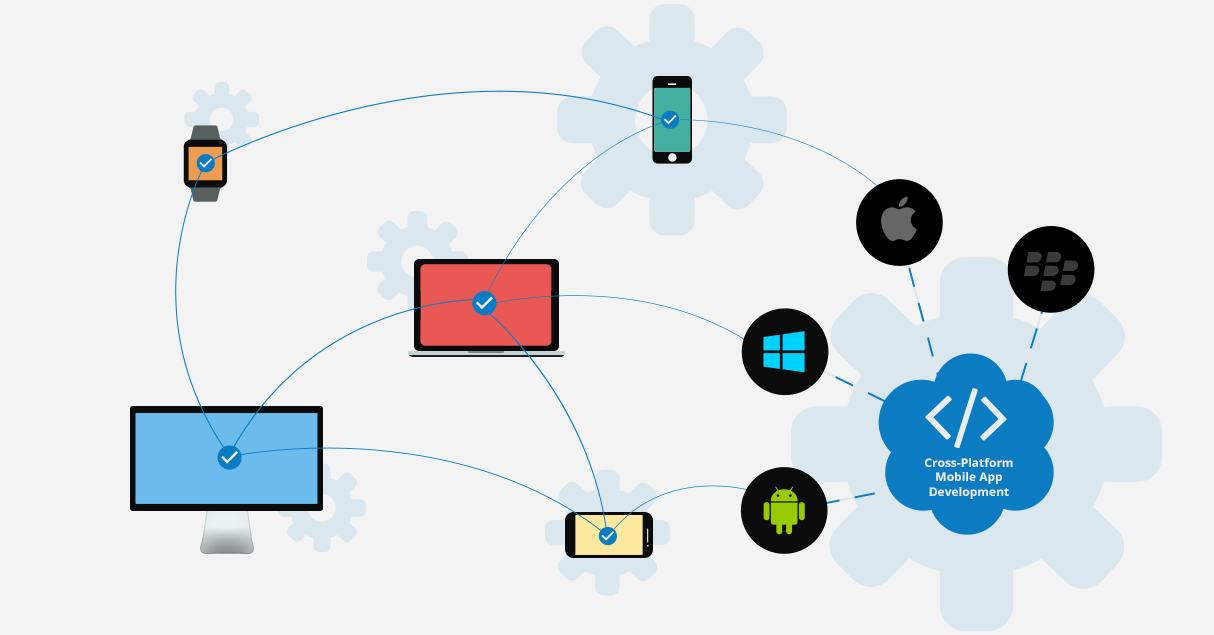
Numerous companies are growing rapidly, and the pressure of funding and the competition may make it challenging to develop apps for two different operating systems at once. This issue can be solved by implementing a top cross-platform approach to app development. It gives a single team of developers to design, develop tests, maintain, and support a codebase that runs flawlessly across both platforms. This method of hybridization reduces traditional launch times by a few months and allows companies to collect feedback from users at less than the costs. By choosing a specialized Flutter app development company, brands can build highly stylized, pixel-perfect interfaces that maintain absolute visual consistency across different devices. This cross-platform application, supported with robust background data syncing and automated testing, provides the perfect balance between quick market entry and efficient execution.
Crafting Sustainable Long-Term User Engagement
The effectiveness of mobile launches is determined by the long-term behavior of the user, and not simply short-term spikes in downloads. The most efficient mobile architecture incorporates key behavioral triggers right into the tech stack, ensuring that onboarding flow functions are beneficial within the first sixty seconds, that local data caches smoothly during unexpected drops on cellular, and that notification systems respect the focus of the user. The fundamental goal remains the same regardless of regardless of whether you want to deliver a minimum-viable product (MVP) to prove the market’s acceptance or implement an enterprise-wide data system that requires strict compliance. By adhering to a well-defined extremely predictable and reliable engineering rhythm with Digital Heroes that respects your users’ time and performance and performance, you can create an irresistible digital asset that fosters deep loyalty, drives steady business growth and stays on users’ screens for many years to come.