Bread and the keto diet were regarded as incompatible for many years. Traditional bread is constructed primarily from refined wheat flour. It is which is a high-calorie source of carbohydrates. If you’re hoping to stay in ketosis a slice of regular wheat bread will sabotage your advancement. It raises blood sugar levels, which causes the body to burn fat instead of glucose. Because of this, it was the reason that many keto-followers were hesitant to eat bread, and frequently didn’t realize the benefits it brought for daily meals. Innovation in baking, however is changing the way we eat.
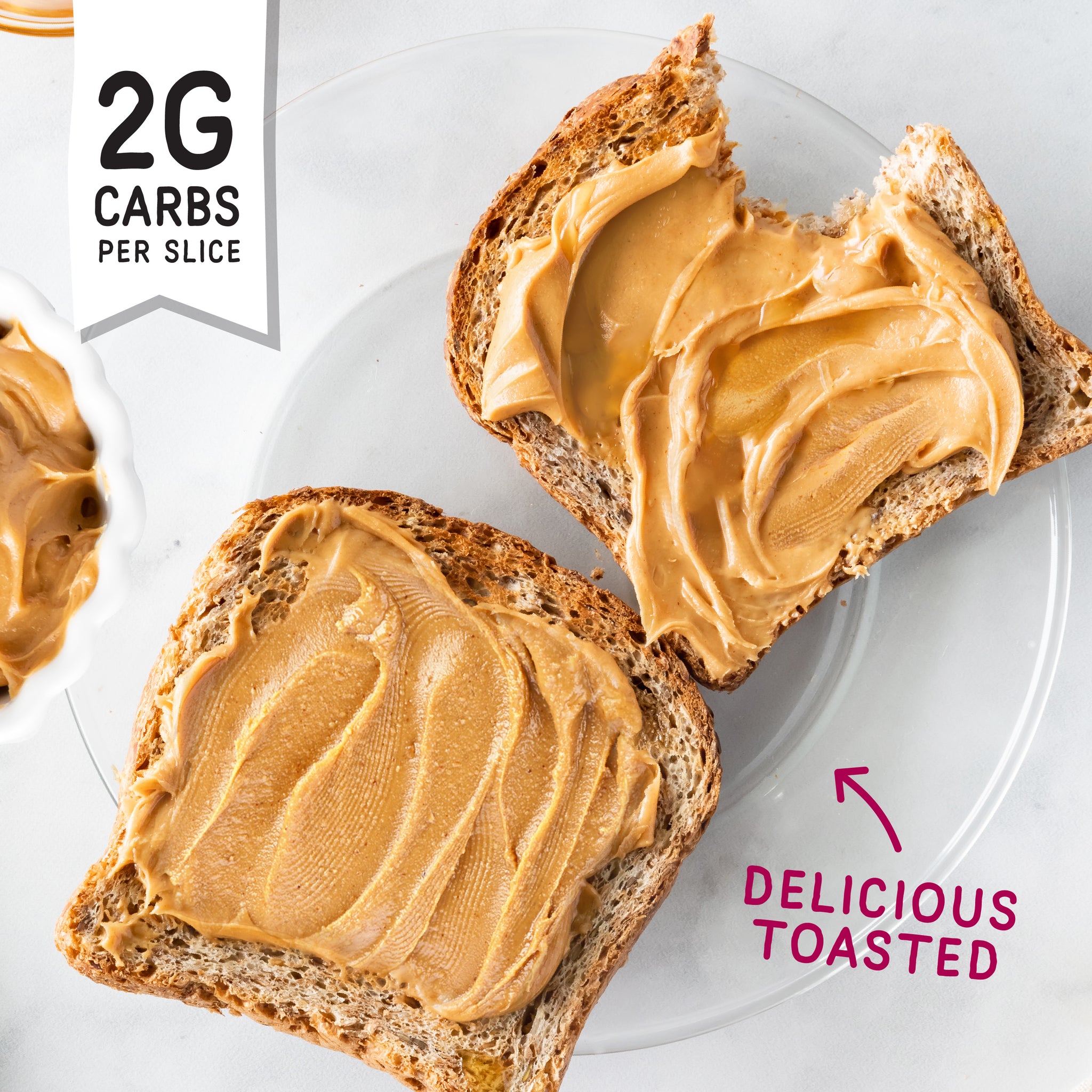
Image credit: fitbakes.co.uk
What defines true Ketogenic Diet Bread?
Ketogenic diet bread isn’t just low in carbs, it’s designed to be. To create a loaf of bread with a high amount of nutrients, but virtually carb-free, bakers substitute carb-heavy grains with flaxseed or almond meal. They combine these with eggs and other plant-based proteins. Its high protein content is one of its most distinguishing features. About 7 grams of protein per slice makes it not just keto-friendly but also beneficial for the repair of muscles and appetite control.
Equally important is the seed quantity. Keto bread is filled with omega-3s as well as fiber thanks to the seeds. These nutrients aid in digestive health, cardiovascular health and satiety. They also help people who eat keto to feel fuller without cravings. Keto bread can be a healthier alternative to conventional low-calorie products which compromise taste.
The role of the lowest Carb Bread in Blood Sugar Management
The lowest carb bread is more than a diet-friendly option it’s a powerful tool for metabolic health. The bread, which has just 1-2 grams of net carbs per slice, can help stabilize blood glucose, reducing spikes, crashes, and fatigue. For those with diabetes, this bread is not just practical, it’s transformative. It will give you the comfort of bread while maintaining healthy levels of glucose.
Low carbohydrate bread works perfectly with calorie-conscious plans. With 63 calories in a slice, it allows people to eat hearty meals or breakfast toast with no guilt. It’s a wonderful option for people who are trying to shed weight. It can help satisfy your hunger and keep carbs and calories under control.
Bread on Keto: A Practical Everyday Solution
The term “bread on keto” is no longer a signal of compromise. In fact, it is a great opportunity. Avocado toast served on seeded Keto bread is a fantastic breakfast option that provides healthy calories, protein, and fiber. It is possible to still enjoy a your turkey and cheese sandwiches for lunch at work without going over your daily carbs. Even comfort foods like garlic bread, which is low in carbs, can be eaten for dinner.
The versatility of the ketogenic loaf is one of its strengths. It’s not something you can only enjoy once or twice a year, but a staple which makes keto lifestyle viable. It can be included in every meal and relieves the sensation of restriction which causes people to stop their diets.
The reason Keto Bread Is the Future of healthy eating
These breads will be the future of healthful eating for everyone, not just people who adhere to keto. Plant-based proteins, high-fiber, omega-rich seeds and omega-rich foods can benefit everyone including those who would like to cut down on carbs. Keto bread appeals to those seeking a nutritious alternative to white flour processed.
Keto bread is not a diet trend. It’s actually a breakthrough in baking. It’s the answer to the issue of how to eat bread with no carbohydrates, and also provide the long-term benefits.
Conclusion
The conflict between keto diet and bread is no more a struggle. Thanks to advances in technology ketogenic bread permits you to indulge in a slice of cake without it affecting your ketosis. Now that low-carb bread is readily available and readily available, people can enjoy toast, sandwiches and snacks without having to worry about breaking their low carb targets. Bread on keto is more than just an option. It has become the foundation of modern-day nutrition, linking traditional food choices and healthy lifestyles.